Climate transition
Why take action?
The scientific community has clearly stated the need to reach net-zero global CO2 emissions by 2050 in order to limit global warming to 1.5°C and to reduce the destructive impacts of climate change on human society and environment. This means that we have to transition to a low carbon economy and sequester and store carbon to balance out any emissions that we cannot abate.
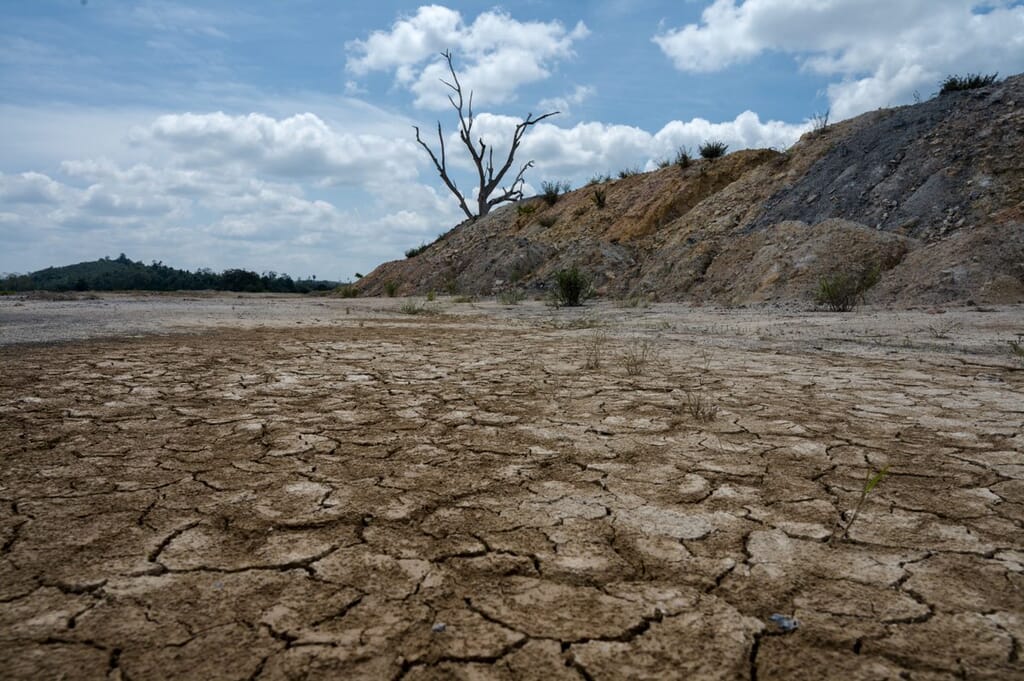
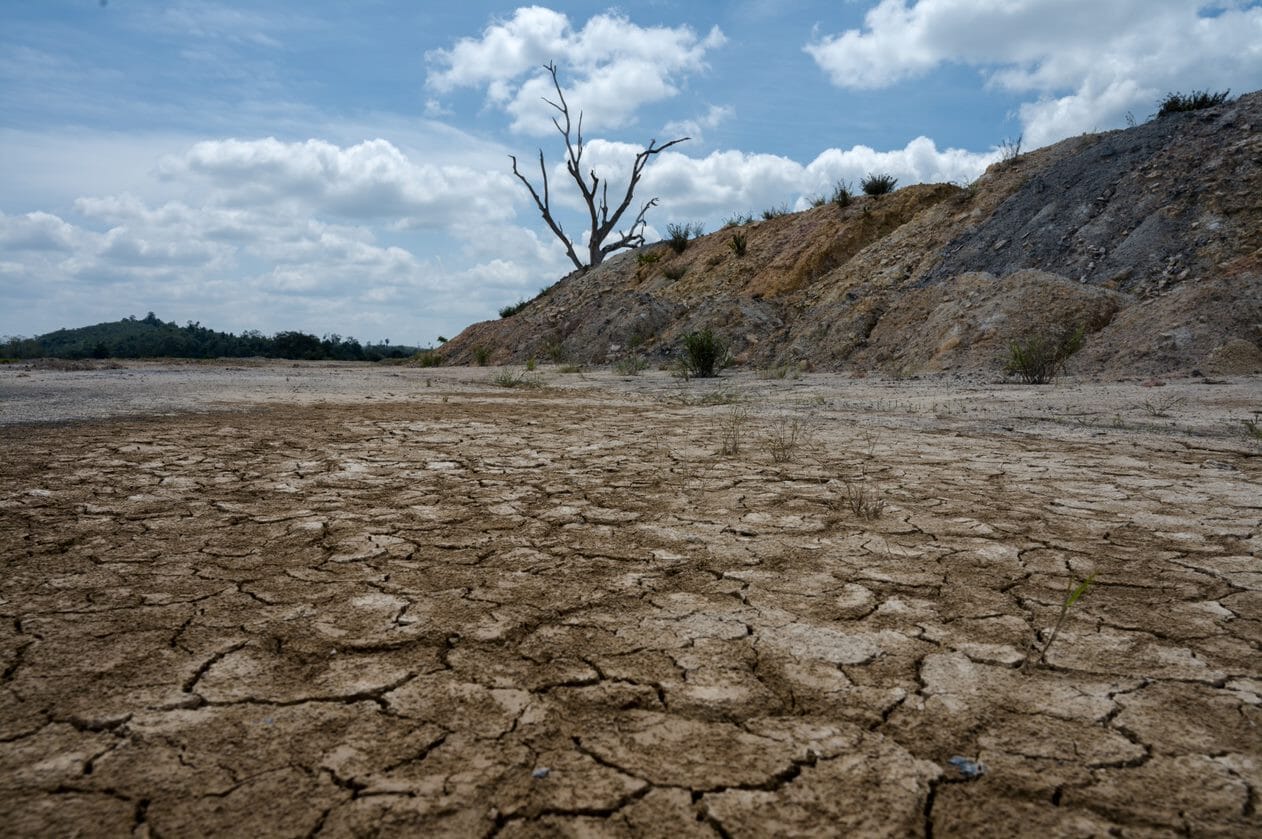
Citizens across the world are demanding environmental and social action
Studies have shown that consumers are prepared to change their habits, reduce their environmental impact, and put pressure on companies to adopt a more socially and environmentally responsible behaviour.
Governments and investors now recognise that climate change and the continued destruction of nature represent two of the most significant risks to the global economy. Governments across the world are setting new ambitious environmental policies and incentives, and investors are integrating climate and nature-related risks into their investment decision-making. As a result, businesses are under pressure to take action on climate change, nature protection and restoration.
For businesses to align with science-based net-zero, they must:
- Achieve value-chain emission reductions consistent with the level of abatement required for pathways that limit global warming to 1.5°C with no or limited overshoot;
- Neutralise the impact of any source of residual emissions that remains unfeasible to be eliminated by permanently removing an equivalent amount of atmospheric carbon dioxide.
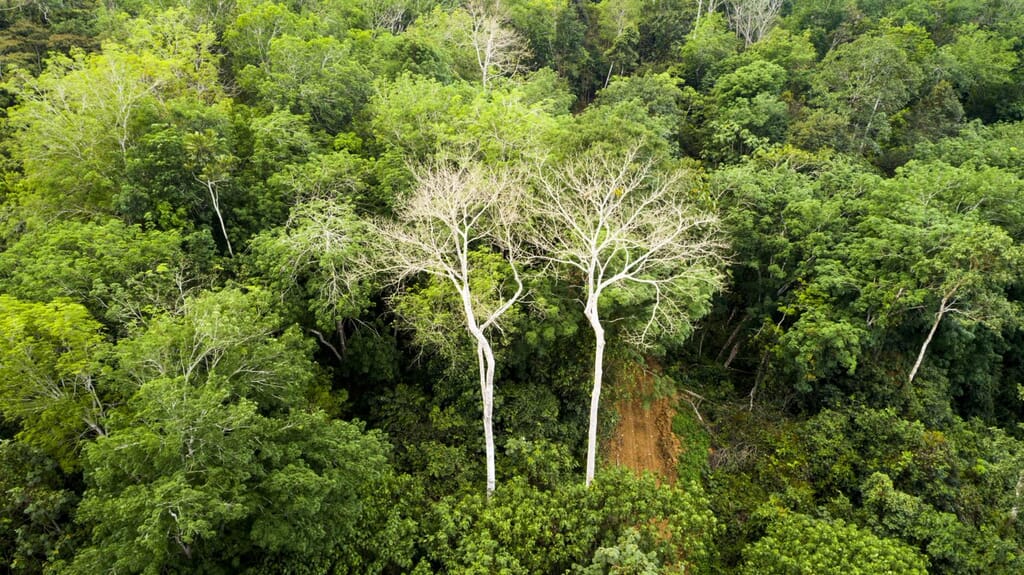
The momentum
Several global climate and nature focused initiatives have gained momentum and gathered significant support from businesses, institutions and investors over the last few years:
- Science Based Targets Initiative which has mobilised companies to set science-based targets in line with the Paris Agreement;
- The Race to Zero Campaign by the United Nations Framework Convention on Climate Change, an umbrella coalition of leading net-zero initiatives, which at the end of 2020 was representing 452 cities, 22 regions, 1,101 businesses, 45 of the biggest investors, and 549 universities;
- Principles for Responsible Investing network, which in 2020 had 3,038 signatories, 521 asset owners with USD $23.5 trillion assets under management;
- The Business for Nature coalition supporting business action on nature with over 500 companies committed to reversing nature loss.
- The Taskforce on Scaling Voluntary Carbon Markets, led by Mark Carney, is a private sector-led initiative witht the goal to scale transparent, verifiable and robust voluntary carbon market to help meet the goals of the Paris Agreement.
Nature Based Solutions
Nature-based solutions are a crucial part of Voluntary Carbon Markets, harnessing the power of the planet’s natural resources to address the dual climate and biodiversity crises. Done well, nature-based solutions protect and restore vital habitats to increase biodiversity at the same time as reducing atmospheric greenhouse gas emissions by avoiding or removing them.
Land-use change ranks second only to the burning of fossil fuels as the biggest source of emissions that contribute to climate change. Investing in tropical rainforests to sequester and store carbon can have a significant beneficial climate impact; according to the IPCC, reducing deforestation and forest degradation rates represents one of the most effective and robust options for climate change mitigation.
What makes us different
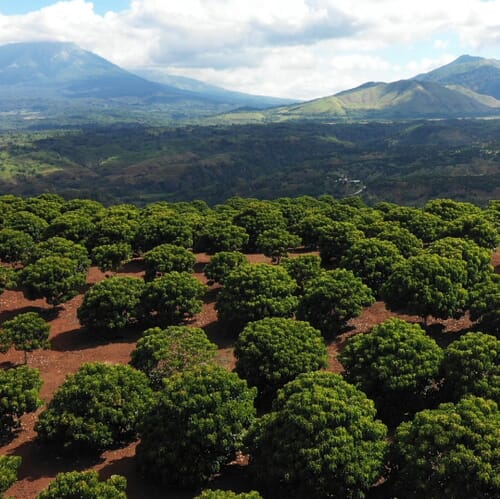
Highest integrity climate abatement, compensation and neutralisation solutions
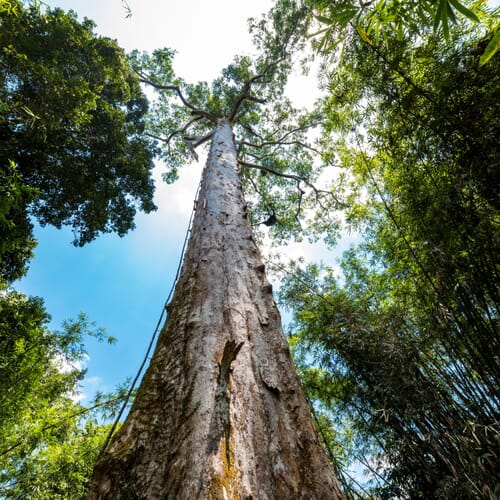
Long-term verified emission reductions solutions
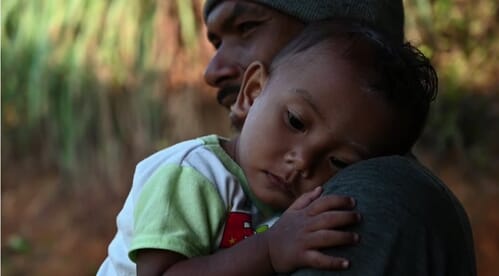
Projects with high community engagement, local support and significant co-benefits
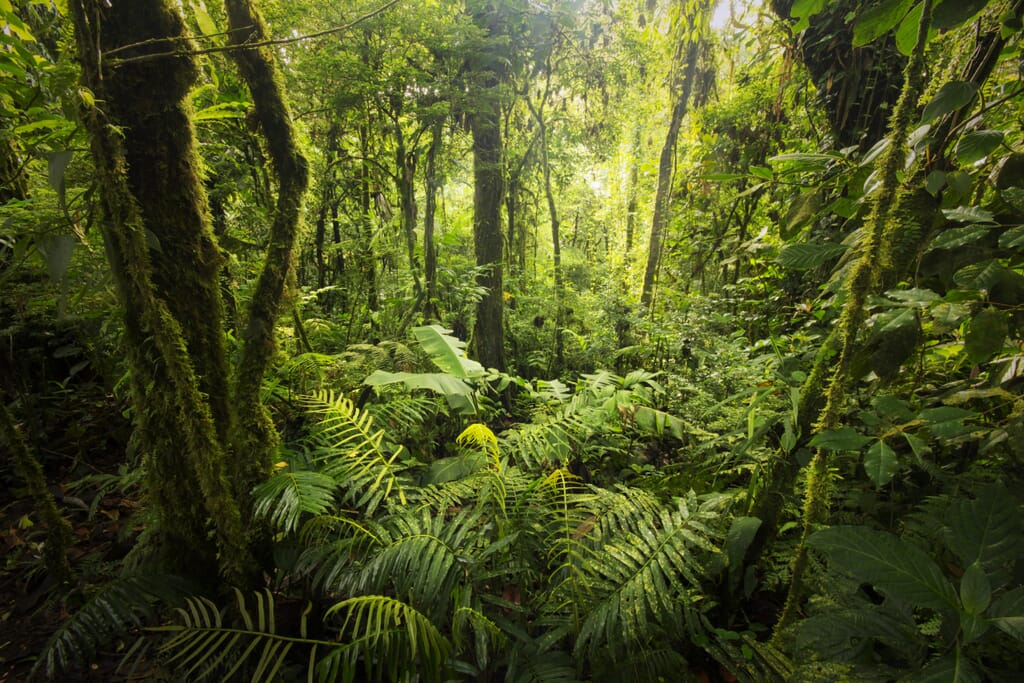
Let us achieve our climate ambitions together.
We can mitigate the impact of global climate change together.
Contact usFrom the knowledge centre

Protecting the unprotecting: The Brazilian Amazon Grouped Forestry Project
In Seringal Porongaba, a remote community in the state of Acre in Brazil, change is occurring. Previously an isolated community…
In Seringal Porongaba, a remote community in the state of Acre in Brazil, change is occurring. Previously an isolated community with limited connectivity and access to technology and infrastructure, it has recently welcomed a new communications tower for internet, solar energy kits for residences, infrastructure improvements, training opportunities, health clinics and renovations to the local school.
Behind these developments in this and a handful of other communities, is an experienced, mission-led local project developer called brCarbon. Its vision is to turn standing forests into an attractive economic prospect for landowners across the Legal Amazon and accelerate sustainable development for some of the most remote communities on earth.
Since 2022, Vertree and brCarbon have formed a strategic alliance in order to scale this vision and realise positive social and environmental impact across the Amazon, with the recent focus of the partnership being the VCS registered Brazilian Amazon Grouped Forestry Project.
The project is an Avoided Planned Deforestation (APD) REDD+ project, which means it is founded on a simple and robust baseline. Taking as its basis the Forest Code, Brazilian legislation which is in place to protect private forested land across Brazil, the project has focused its mission on the proportion of lands that fall beyond these regulatory protections.
Under the Forest Code, landowners located in the Amazon biome must protect 80% of their forested land. This falls to 35% if they live in Cerrado land and 20% in the Atlantic forest. Across Brazil this “forest surplus” represents around 100 million hectares of forests legally eligible for clearing[1]. This project, focused on the Amazon, is leveraging carbon finance to give these vulnerable forests a monetary value and provide landowners with an alternative option to the enticing economic prospects of deforestation.
To date, after rigorous due diligence processes on land titles, carbon stocks and licences of deforestation, the project has successfully engaged with 15 separate properties in Amazon States and protects over 30,000 hectares of biodiverse rainforest within the Amazon biome (additional to legal requirements). Finance from the sale of carbon credits compensates landowners, who have relinquished previously obtained or pending permits to convert the land, and provides funding to local communities living on or near the land to ensure that everyone connected to it sees the benefit of the finance.
Results achieved during the first 2 years of project implementation:
- 13 internet towers installed in remote communities in the Amazon
- 36 solar panels and battery kits delivered and installed
- 70 km of optic fibre installed, connecting remote schools and communities to the world
- 50 families benefited from the project activities, including through training activities and health support for remote communities
brCarbon CEO, Bruno Matta, believes that “the project can be an excellent tool to promote a transition to an economy in which the forest is the main asset… If we can achieve this, we will be able to ensure the survival not only for us but for future generations.” Vertree and brCarbon are aiming to scale the project to 10 million tonnes of carbon avoidance over the next 10 years, ensuring their long-term partnership mobilises finance to forest conservation and sustainable development in the Amazon.
For Rodrigo Bezerra, Vertree’s Head of Upstream “the project taps into a huge opportunity to preserve large tracts of biodiverse forest, legally regarded as “surplus”, with a clear baseline from which to measure project success. It is our intention to see it scale and realise the potential for large environmental and social impact across the Legal Amazon. There should be no “surplus” forest in the fight to preserve biodiversity, secure the livelihoods of local communities and tackle the climate crisis.”
The project regularly monitors forest cover and studies the biodiversity within the project areas with the latest LiDAR technology (which brings more accuracy and transparency to carbon measurement), digital monitoring platforms and automated alert systems based on satellite images, , field visits and camera traps, continually improving our understanding of these unique ecosystems and how best to protect them. Through the fauna monitoring, 794 animal species were monitored in the last two years – 334 of them are endemic, and 34 are threatened species.
But the communities who inhabit them are at the heart of the work undertaken on the ground. The investments made into these communities are now having a tangible impact on people’s lives, in ways which many would take for granted: the ability to communicate instantly with relatives and get news on family well-being; access to a wealth of information for learning, research and training via the internet; access to health care and vaccinations without a three-day round trip; a cold beer from a freezer…!
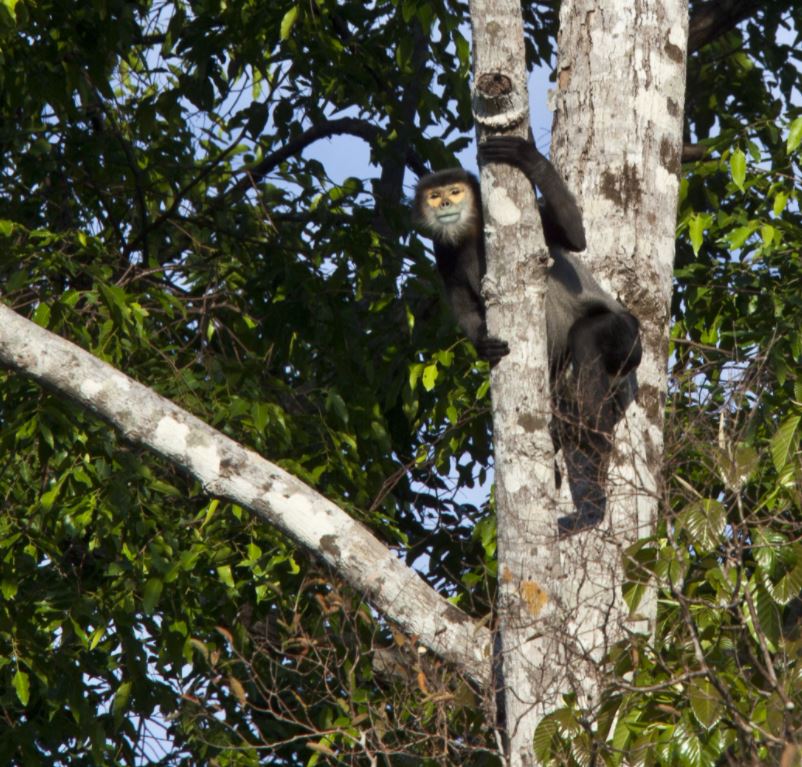
Even in these most remote Amazon regions there is a growing awareness of the significance of the forest, of nature and the consequences of deforestation. The hope of Porangaba’s Porongaba’s local schoolteacher, Antonia Graciele Vicente Rodrigues, is that through the project, awareness continues to be raised on the importance of protecting the forest and what it really means if we were to lose it. This remains a central objective of this project and the alliance between Vertree and brCarbon, because as Antonia puts it, “the forest is life”.
[1] Soares-Filho et al, 2014, Cracking Brazil’s Forest Code, https://www.researchgate.net/publication/310599766_Cracking_Brazil’s_Forest_Code
For more information on the Brazilian Amazon Grouped Forestry Project and how to support it, please get in touch:
Vertree Media contact
Lucy Haines, Vertree Head of Communications

Hartree Partners and ecosecurities launch Project Araucaria to generate $1.5bn to support habitat restoration across Latin America
The project will work with local farmers, landowners, cooperatives, and NGOs in Argentina, Chile, Paraguay and Uruguay The project will…
- The project will work with local farmers, landowners, cooperatives, and NGOs in Argentina, Chile, Paraguay and Uruguay
- The project will help design, finance, and develop nature-based carbon reduction and removal projects, aiming to achieve the highest level of accreditation
- The project targets the creation of over 300 million tonnes of voluntary carbon credits over 30 years
Hartree Partners, Vertree’s founding partner, and ecosecurities today announce an estimated $1.5bn project to work with local farmers, landowners, associations, co-operatives, and NGOs in the Cono-Sur region of Latin America.
Named Project Araucaria after one of the most endangered tree species in the region, this project will help design, finance, and develop nature-based carbon reduction and removal projects in Argentina, Chile, Paraguay and Uruguay, generating over 10 million tonnes of voluntary carbon credits each year.
Aggressive agricultural land use and conversion in Latin America now account for almost a third of global greenhouse gas emissions, and over half the deforestation in the world[1]. By working alongside people who own, farm, and support work on the land, Project Araucaria aims to reverse this trend by promoting the conservation and restoration of forests and implementing sustainable agricultural practices.
Ariel Perez, Partner at Hartree Partners, said:
“Reducing emissions is vital to halting devastating climate change; but it’s not enough. We also need to remove carbon that’s already in the atmosphere by restoring key habitats that have already been degraded and destroyed.
“Hartree’s project with ecosecurities will bring significant investment and expertise to farmers, agricultural producers, and landowners across Latin America by supporting their efforts to restore habitats and ecosystems, targeting the reduction and removal of carbon in the atmosphere by over 300 million tonnes.”
Ecosecurities, an impact-driven provider of environmental services with over two decades of experience in carbon emissions reduction and removal projects around the world, will use its on-the-ground presence in and knowledge of Latin America to engage farmers, producers, and landowners across the region. Ecosecurities aim to design and implement at least 20 projects and programmes.
Pablo Fernandez, CEO of ecosecurities said:
“If we are to turn climate commitments into tangible action, we must develop solutions that deliver benefits for local people, nature and, as a result, to the entire planet.
“This is why we are delighted to be partnering with Hartree to deliver Project Araucaria – a vitally important initiative that will promote sustainable production practices and, in turn, reduce global emissions.”
The portfolio aims to achieve certification under the Verified Carbon Standard (VCS) and receive Climate, Community and Biodiversity (CCB) status; it will be marketed by Vertree.
Hartree Partners, a leading global energy and commodities trading company will invest, develop, manage, and market the projects, to help meet the surging demand for high quality Verified Emissions Reductions as businesses look to play their part in addressing the climate emergency.
[1] The Nature Conservatory, Growing our way to a healthier climate, February 2017

Unprecedented private sector finance deal to generate over $2bn to protect threatened forests, wildlife, and improve community livelihoods
Hartree Partners, Vertree founding partner, and Wildlife Works sign landmark voluntary carbon market deal Over 20 new high-impact projects will…
- Hartree Partners, Vertree founding partner, and Wildlife Works sign landmark voluntary carbon market deal
- Over 20 new high-impact projects will be implemented in collaboration with forest communities to protect threatened landscapes in Africa, Asia, and Latin America
- Project portfolio to generate 20 million tonnes of Verified Emission Reductions (VERs) each year for the 30-year life of the projects
Hartree Partners and Wildlife Works announce a ground-breaking deal that will generate over $2bn of private sector investment to enable communities to protect biodiversity and forests at risk from deforestation.
13 million hectares of tropical forest, an area the size of Greece, is currently lost to deforestation every year. But, to keep the increase in global temperature below 1.5 degrees in line with the Paris Agreement, more than three quarters of deforestation must be stopped by 2030. Thousands of companies are addressing the climate emergency and, with voluntary carbon markets playing an increasingly prominent role, the demand for Verified Emissions Reductions (VERs) is forecast to outstrip supply.
Hartree Partners, a leading global energy and commodities trading company, and Wildlife Works, an innovative global conservation company, will help meet this surging demand by partnering to invest, develop, manage and market one of the world’s largest portfolios of avoided deforestation projects. Hartree’s investment is effective immediately, with the projects expected to begin delivering VERs by 2023.
The deal, which will increase the availability of high-quality, verified, avoided deforestation projects by approximately 40%, will reduce emissions from deforestation by 20 million tonnes each year and 600 million tonnes over the 30-year life of the projects – equivalent to taking 4.3 million cars off the road.
The partnership will develop more than 20 high-impact projects in collaboration with local communities to improve livelihoods while preserving and protecting forests and wildlife.
The ground-breaking deal was facilitated by Everland, the exclusive marketing partner of Wildlife Works. The portfolio will be marketed by Everland and Vertree.
Ariel Perez, Partner at Hartree Partners, said:
“The scientific community agrees that the world cannot keep the increase in global temperature below 1.5 degrees without significant support from global businesses. Hartree Partners is proud to be providing substantial long-term investment in nature-based solutions through this partnership.
“We’re delighted to be working with such experienced partners as Wildlife Works to ensure that these projects reduce emissions, protect highly threatened species, and enhance the wellbeing of thousands of people in these forest communities who hold the key to stopping deforestation.”
Mike Korchinsky, Founder and CEO of Wildlife Works, said:
“While those in the Global North continue to debate what they want from climate action, our partners in the Global South urgently need just and effective solutions now.
“With Hartree Partners’ financial backing and carbon market expertise, we can implement our just and inclusive climate, community, and biodiversity solutions in many more forest communities where they’re desperately needed.”
Wildlife Works’ proven approach addresses the drivers of deforestation in last-chance ecosystems while rewarding communities for protecting forests and biodiversity.
The portfolio of projects announced today will meet global best practice standards for nested projects under VERRA, including: the Voluntary Carbon Standard (VCS); the Climate, Community and Biodiversity (CCB) standard at the gold level; and the SD Vista standard to verify project contributions to the UN Sustainable Development Goals, and can make a significant contribution to host country Nationally Determined Contributions (NDC) under the Paris Agreement.
Gerald Prolman, CEO of Everland, said:
“Hartree’s financial commitment to Wildlife Works will help give forest governments, landowners, and communities long-term financial confidence as they consider valuing their standing forests under REDD+. The VERs will be offered to businesses as an essential tool they can use as part of their transition plan towards a low-carbon future.
“It is our hope that this partnership’s bold commitment to rapidly scale REDD+ projects will inspire more private sector action at the critical speed and magnitude that is so desperately needed.”
